January 7, 2026
Expanding horizons: understanding your baby’s changing space needs
As a baby grows, their relationship with their physical environment shifts from a need for close, sensory proximity to a desire for spatial independence and exploration. Planning for these changes involves more than just interior design. It is a developmental progression that balances safety, sleep hygiene, and the child's growing autonomy. Understanding the transition from a shared bedside setup to a separate nursery helps parents create a home environment that supports both the baby's milestones and the family's overall well-being.
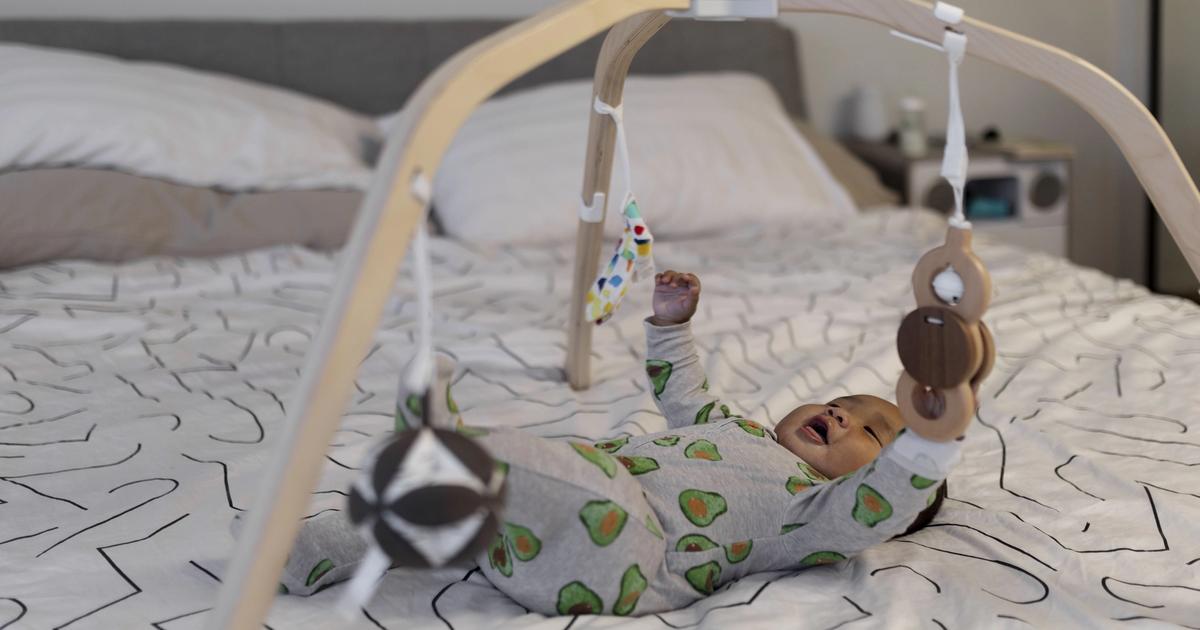
For the first half-year, a baby’s "space" is ideally limited to a very small radius around the parents. Global health organizations, including the AAP and the NHS, recommend room-sharing for at least the first six months to reduce the risk of SIDS. During this phase, the baby’s primary needs are safety and immediate responsiveness. A bedside bassinet or a cot in the parents' room provides the necessary proximity for frequent night feedings and monitoring. At this stage, the baby does not require a large "play area", but a simple, safe surface for tummy time, as their world is still largely defined by the reach of their caregiver’s arms.
Once a baby reaches the six-month milestone and is often sleeping for longer stretches, many families begin the transition to a separate nursery. This move is less about the baby "needing" a room of their own and more about improving the quality of sleep for both the child and the parents. As babies become more aware of their surroundings, the sounds of parents moving in bed or a partner’s snoring can inadvertently trigger night wakings.
A separate room provides a dedicated, low-stimulation environment where sleep associations can be consistently managed. When preparing this space, the focus should be on "the sleep sanctuary", a room that is dark, cool, and free of distractions. This transition is also an opportunity to establish the nursery as a safe zone where the baby can begin to experience short periods of independent play as they move into the crawling and "cruising" stages.
As a baby approaches their first birthday and begins to move first by crawling, then by pulling to stand, their space requirements expand horizontally. They no longer stay where you place them, but require a safe space. This is a larger, fully baby-proofed area (often in the living room or nursery) where they can explore safely without hearing the word "no".
In this phase, the baby needs enough floor space to practice gross motor skills. This doesn't necessarily mean a larger house, but rather a more intentional use of existing space. Clearing away low-level hazards, securing heavy furniture to the walls, and using soft play mats creates a "boundless" feel within a controlled area. The goal is to provide enough room for the baby to navigate five to ten feet of movement in any direction, allowing them to test their physical limits securely.
While developmental milestones provide a general timeline, the decision to increase a baby’s space or move them to a separate room is deeply personal. Some families choose to room-share for a year or longer, while others find that a move at four or five months after consulting with their pediatrician leads to a more rested family unit. Signs that your baby might be ready for more space or a separate room include being easily disturbed by your presence during sleep or showing a high level of frustration when their movement is restricted by a small playpen or a cramped corner.
Regardless of when you expand your baby’s boundaries, safety standards remain the absolute priority. During well-baby visits, your pediatrician can offer guidance on the safety of specific sleep setups and the appropriate timing for developmental transitions. They can also help you identify if a move to a separate room might be beneficial for a baby struggling with sleep-onset associations. Using professional safety checklists for baby-proofing ensures that as your baby’s world grows, it remains a secure environment for their continued discovery.
Source:
https://publications.aap.org/aapnews/news/20619/New-safe-sleep-recommendations-can-help?autologincheck=redirected
Related Articles
January 2, 2026
Transitioning from bassinet to crib: timing, safety, and strategy
Identify the critical physical and developmental milestones that signal it is time to upgrade your baby’s sleep environment to ensure their continued safety. Discover practical strategies to smooth this transition to minimize disruption and maintain a secure routine for your family.
December 22, 2025
Heading Out: Determining Readiness for Your Baby’s First Walks
This guide is about determining the readiness and safety conditions for your baby’s first outdoor walks. Learn how to navigate weather challenges and crowd risks, and discover practical tips for dressing your baby and choosing the right gear for a successful outing.
December 19, 2025
Creating a safe space: where and how to place your baby for sleep and rest
It is actually possible to establish a safe and practical sleep environment that balances safety standards with real-life logistics. Learn why room-sharing is recommended as the primary sleep space, and discover how to define and create safe sleep "stations" in any room of your house.

December 19, 2025
Car safety for your baby: a practical guide to seats, installation, and winter travel
Ensuring your baby's safety on the road is critical, and is mainly done through proper car seat usage and installation. Learn the rules for safe setup and positioning, and discover how to test your installation for stability, as well as other practical recommendations.