January 9, 2026
Beyond the dust cloud: understanding the risks and modern alternatives to baby powder
For decades, the scent of baby powder was synonymous with infant care, but modern medical science has largely moved away from this traditional staple. The primary driver of this shift is a growing understanding of the respiratory and dermatological risks associated with fine particulates. Whether talc-based or cornstarch-based, powders pose a significant inhalation risk. Their lightweight particles can easily become airborne during application and enter a baby’s sensitive lungs, potentially causing chronic irritation or respiratory distress. Furthermore, while powder is intended to dry the skin, it often has the opposite effect in the humid environment of a diaper, "caking" into skin folds and trapping moisture or providing a food source for fungal growth.
One of the most concerning aspects of traditional powders is the biological interaction between the ingredients and the skin's micro-environment. Cornstarch-based powders, long considered the "safe" alternative to talc, are actually a carbohydrate source that can exacerbate a yeast infection (Candida). If a baby has an undiagnosed fungal rash, applying cornstarch is essentially providing fuel for the infection to spread. Additionally, the risk of talc being contaminated with asbestos, while heavily regulated, remains a persistent concern for many parents and health advocates. These combined factors have led most pediatricians to recommend moving away from powders entirely in favor of more stable, non-airborne solutions.
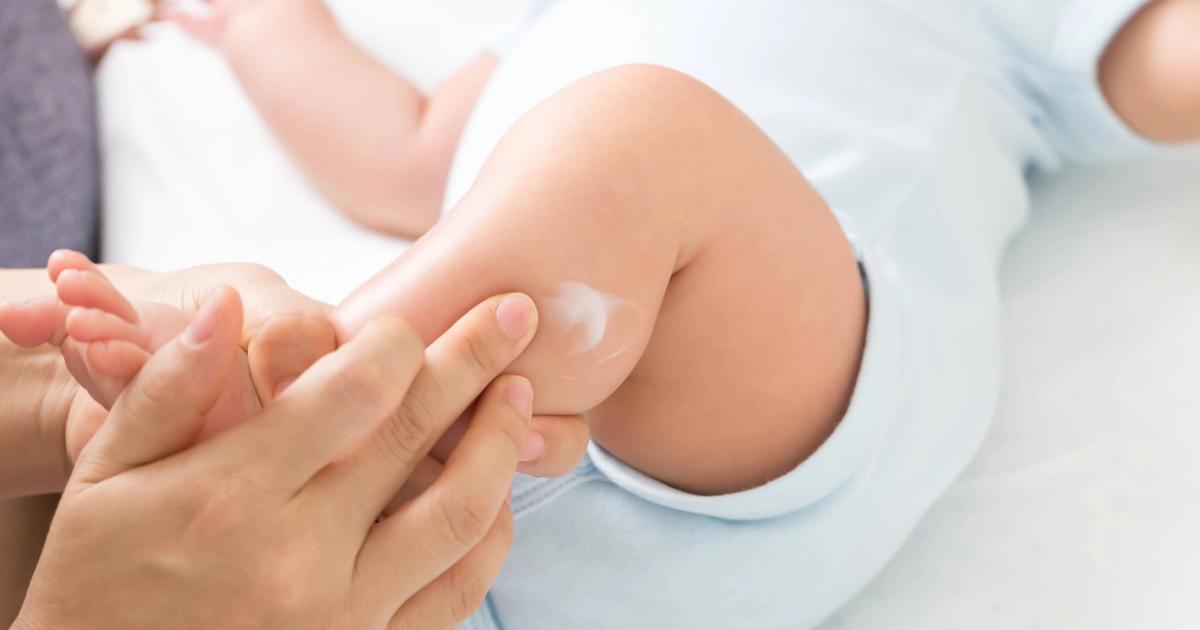
The current medical gold standard for skin protection has shifted toward barrier-style products like zinc oxide creams and petroleum-based ointments. These products do not pose an inhalation risk and provide a physical shield between the baby’s skin and the irritants found in wet diapers. Unlike powder, which can be easily wiped away or absorbed, a thick barrier cream stays in place, allowing the skin beneath it to remain protected and begin the healing process. For many parents, a high-quality, fragrance-free barrier cream is a far more effective and safer tool for preventing diaper rash than any traditional powder.
Beyond commercial products, one of the most effective and natural ways to manage moisture is through "air time" allowing the baby to spend short periods without a diaper on a waterproof mat or towel. This natural evaporation is the gentlest way to dry the skin and is often recommended by dermatologists for babies with particularly sensitive skin. This method eliminates the need for any chemical or particulate intervention and allows the skin's natural barrier to recover without interference.
Because every baby’s skin chemistry is unique, it is vital to consult your pediatrician or a pediatric dermatologist before settling on a specific dermatological product. They can help you identify whether your baby’s skin requires a breathable barrier, a moisture-absorbing agent, or a specialized medicated treatment, ensuring you choose the safest path for your child's specific needs. Relying on professional clinical guidance rather than marketing trends or traditional habits ensures your baby's skin health is managed with the highest degree of safety.
A gentle reminder: The content in this article is for informational purposes only and is not intended to be a substitute for professional medical advice, diagnosis, or treatment. Always seek the advice of your pediatrician or another qualified health provider with any questions you may have regarding a medical condition. If you are facing a problem that feels sharp, persistent, or overwhelming, reaching out for professional help is a sign of strength.
Related Articles

January 6, 2026
Understanding developmental variations: a guide to observing signs and partnering with your pediatrician
Adopt the role of an informed observer rather than a self-taught diagnostician to effectively distinguish between normal growth variations and conditions requiring intervention. Avoid the reliability pitfalls of internet searches by documenting specific, objective behaviors for your pediatrician, ensuring your child receives accurate assessments and timely early intervention if needed.
January 5, 2026
Vitamin D for Infants: Understanding the Necessity and Safe Administration
Discover the role of Vitamin D for infants in ensuring robust skeletal development and immune health. Prevent the serious risks of toxicity and dosing errors by relying on a pediatrician to tailor specific recommendations to your baby's feeding habits rather than self-diagnosing.

January 2, 2026
Understanding baby massage: benefits, boundaries, and safety
Enhance your connection and support your baby's physical comfort through the mindful practice of infant massage. Discover why seeking professional instruction is the most effective way to master safe, low-pressure techniques that protect your baby's developing anatomy while maximizing the benefits of therapeutic touch.

December 31, 2025
Sun safety for babies: protecting delicate skin in every environment
Safeguard your infant's delicate skin by learning the principles of UV protection across diverse environments, including indoor spaces. Prioritize physical barriers like shade and clothing, and discover how to navigate the nuances of sunscreen use and hidden environmental risks to ensure year-round safety.